General technology reading / 05
Sound, sampled and stored
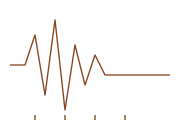
Illustrative line study
A microphone converts changing air pressure into an electrical signal. Digital recording represents that signal through samples: a sequence of values a computer can store, process and send for playback.
Samples across time
Sample rate describes how many samples are taken each second. It affects the range of frequencies that can be represented. Bit depth describes the available precision for representing sample amplitude. These settings describe different aspects of the recording and should not be treated as interchangeable quality labels.
A file is part of a chain
The stored values are only one part of recording and playback. The microphone, recording environment, conversion hardware and listening equipment also influence the result. A larger file or a higher setting does not, by itself, explain whether the original recording was clear.
Listen to the purpose
Consider a hypothetical spoken note recorded in a noisy room. Increasing the file settings afterward would not remove the conversation in the background. Understanding the source of the problem comes before choosing an adjustment. When discussing digital audio, separate the way a signal was captured from the way its samples are stored. That distinction keeps technical specifications connected to the sound a listener actually hears.
Further reading: Adobe’s digital audio guide.